
5 Alien Survival Tricks: Hairy Petiole Shields, Seed-Shooting Saucers & Jungle Chain Cacti (Part 6 of 8)
From Part 1 through Part 5 of our botanical curiosity series, we have uncovered hurricane vents, compost-trapping ferns, quantum photon traps, and living fossil aroids.
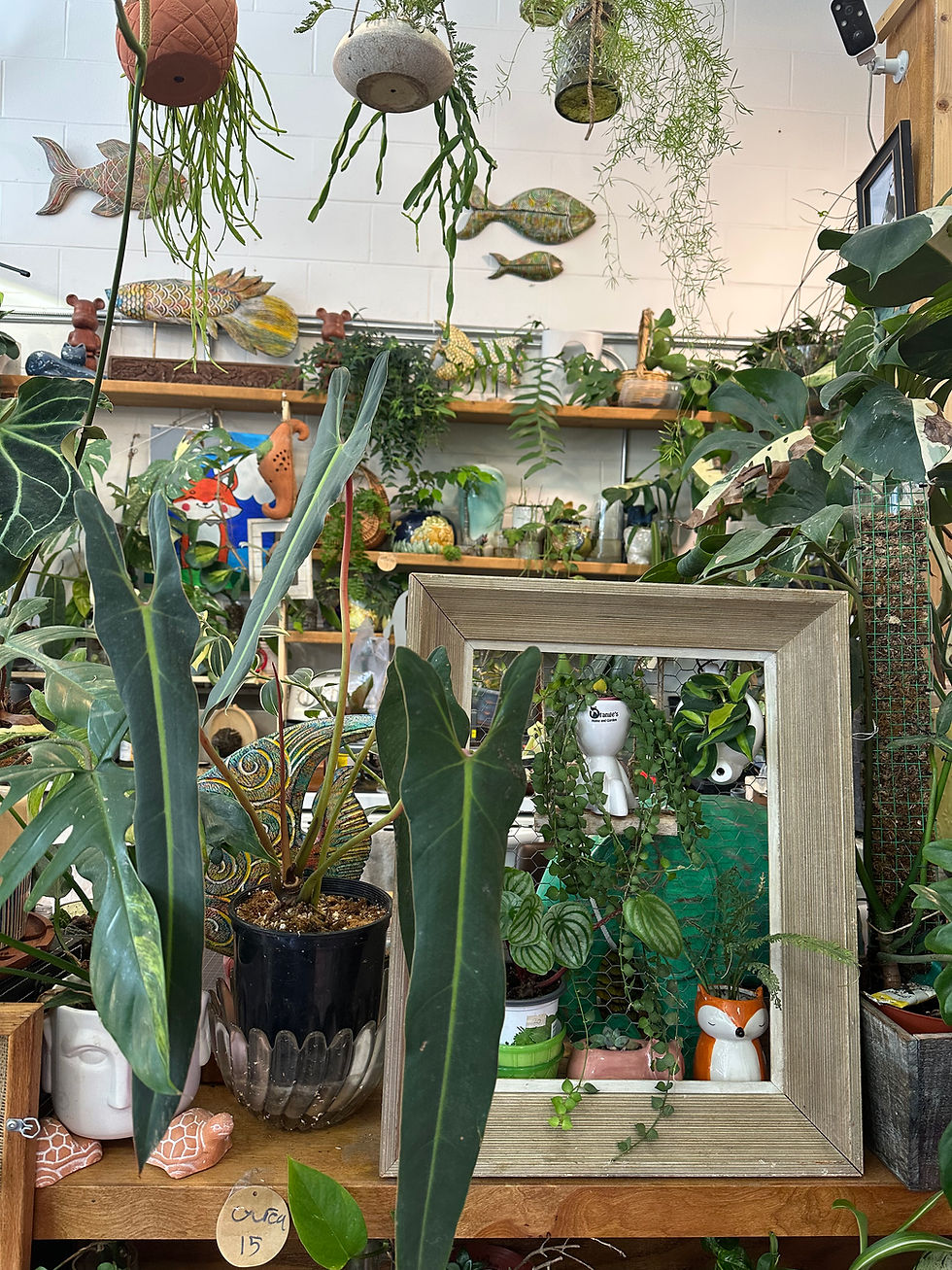
Today, welcome to Part 6: where plant evolution ventures into the realm of pure science fiction. In the dense rainforests of Central America, Southeast Asia, and the volcanic highlands of South America, plants have engineered alien-like mechanical weapons, defensive fur shields, and explosive ballistic seed cannons. Here are 5 astonishing botanical marvels thriving right in our greenhouse at Orange's Home.
1. Philodendron Verrucosum: The Caterpillar Coat That Blocks Pests
Few plants command attention quite like Philodendron Verrucosum. Its deep emerald-green leaves feature glowing neon-green veins and a plush velvet texture. But look down at the petiole (leaf stem): it is completely enveloped in dense, fuzzy, fiery red and purple bristles.
This is not for warmth—it is a defensive crawl-barrier! In native cloud forests of Colombia, Ecuador, and Peru, climbing tree trunks is fraught with danger from foraging leaf-cutter ants and sap-sucking caterpillars. The dense bristles (stiff multicellular trichomes) create an impassable thicket that crawling insects cannot traverse without getting tangled or deterred. Additionally, when mountain fog rolls through the canopy, these hairs condense moisture droplets and funnel them directly down to the climbing aerial roots.
2. Dorstenia Foetida: The Living Seed Catapult
Part bonsai, part miniature baobab, Dorstenia Foetida looks like an alien organism from another planet. It forms a swollen, sculptural succulent trunk topped with bizarre, green star-shaped or saucer-like flower heads (hypanthodia).
What makes Dorstenia extraordinary is its ballistic seed-dispersal mechanism. Instead of relying on wind or fruit-eating birds, the saucer builds up intense internal hydrostatic water pressure beneath each ripening seed. When fully primed, the plant snaps its microscopic cellular springs, literally catapulting tiny seeds up to 2 meters (6 feet) across the room! If you grow one on your plant shelf, do not be surprised to find tiny seedlings sprouting in neighboring pots several feet away.
3. Piper Ornatum: The Wild Pepper with Metallic Pink Veins
Looking at the frosted heart-shaped foliage of Piper Ornatum (Celebes Pepper), you might think it is a rare hybrid begonia. In reality, it is a direct wild cousin of the black pepper vine that seasons your kitchen meals!
Native to the Indonesian island of Sulawesi (Celebes), this climber features peltate leaves adorned with shimmering metallic pink and silver venation over a deep forest-green surface. Underneath, the leaves are lined with tiny clear glandular pearls that exude fragrant, peppery essential oils. These aromatic compounds act as a natural antifungal defense against humid tropical rot while keeping grazing snails and slugs at bay.
4. Begonia Cathayana: The Glowing Silver Starburst of Chinese Karst
Hidden deep within the humid karst limestone ravines of Guangxi, China, Begonia Cathayana evolved one of the most hypnotic leaf patterns in the plant kingdom.
Its plush velvet leaves display a vivid silvery-white starburst pattern radiating outwards along the primary veins, set against deep emerald green. Flip the leaf over, and you find a dense coating of crimson-ruby hairs. This red undersurface (anthocyanin layer) acts as a biological mirror: light photons that pass unabsorbed through the upper green chlorophyll layer strike the red underside and bounce back upward through the photosynthetic cells a second time, nearly doubling light-capture efficiency in dark limestone canyons.
5. Rhipsalis Paradoxa: The Spineless Jungle Bicycle Chain
When most people think of cacti, they picture spiny desert balls baking under desert sun. But Rhipsalis Paradoxa (Chain Cactus) turned cactus biology on its head.
Native to the lush Atlantic coastal rainforests of Brazil, Rhipsalis paradoxa is an epiphyte that hangs from tree branches high in the misty canopy. It eliminated sharp spines entirely, replacing them with smooth, rubbery, three-angled interlocking segments that alternate direction at every joint—looking remarkably like a hanging bicycle chain. This alternating zig-zag architecture allows heavy tropical downpours to swirl gently down the chain without building up wind resistance, letting the vine cascade gracefully up to several meters long.
Which of these alien adaptations blew your mind? Explore all previous chapters in our botanical curiosity series on the blog, and visit the Orange's Home online shop to bring these extraordinary living sculptures home!


Comments