
5 Bizarre Houseplant Secrets: Night Bloomers, Leafless Hoyas & Self-Composting Ferns (Part 2 of 2)
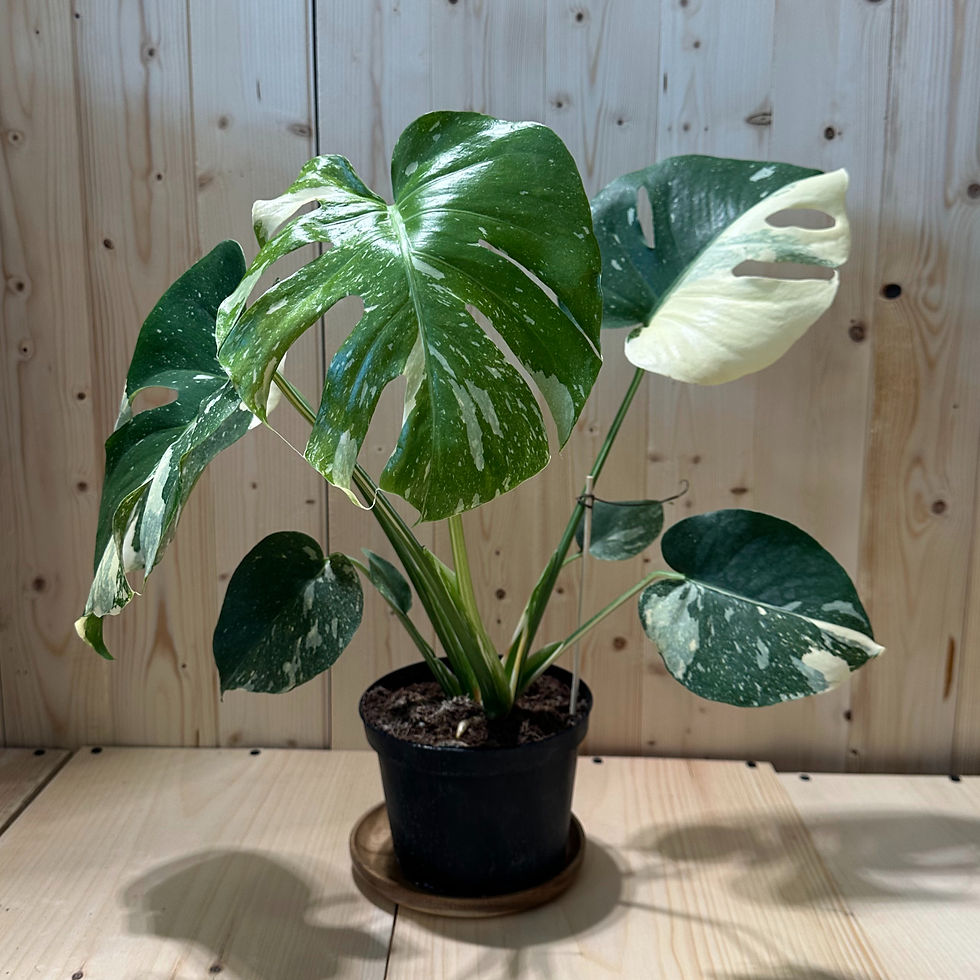
In Part 1 of our botanical curiosity series, we explored how Monsteras vent hurricane winds and why Begonias developed lopsided puzzle-piece leaves to harvest low jungle light.
Now, welcome to Part 2: where tropical evolution gets even stranger. Up in the high canopies and steep mossy cliffs of Asia and Australia, epiphytic plants had to survive without soil beneath their roots. Here are 5 astonishing adaptations that turn everything you thought you knew about houseplants upside down.
1. Hoyas Save Their Sweetest Perfume for the Night Shift
Unlike garden roses or citrus blossoms that fill a sunlit room with fragrance during midday, blooming wax plants like Hoya villosa 'Cao Bang' remain almost scentless throughout bright daylight hours. As dusk falls, however, their star-shaped porcelain clusters release powerful waves of honey, chocolate, butterscotch, and citrus perfumes.
This is nocturnal pollination efficiency in action. In their Asian rainforest habitats, Hoyas rely on night-flying sphingid hawk moths for pollination. Instead of squandering precious volatile scent oils under hot daytime sun, the plant opens its fragrance faucets only when its nocturnal pollinators take flight.
2. The Leafless Wonder: Hoya spartioides Abandoned Its Own Leaves
One of the rarest curiosities in botany is Hoya spartioides. If you look at this plant, you will struggle to find a single traditional leaf blade. Instead, it looks like a tuft of green broomsticks or pine needles.
Those green 'needles' are actually persistent flower stalks (peduncles) that never drop off! In its native Bornean tree canopy, where drought cycles are severe, wide flat leaves lost too much moisture. Hoya spartioides evolutionary solved this by eliminating leaves completely, turning its persistent flower stalks into photosynthetic solar collectors that bloom year after year from the same tips.
3. Staghorn Ferns Build Their Own Private Compost Piles
Epiphytic ferns like Platycerium Bifurcatum and Platycerium Willinckii grow suspended on tree bark high above the ground. How do they get fertilizer with no roots in the soil?
They grow two completely different types of fronds (dimorphic fronds):
Antler fronds: The green, forked, hanging leaves that bear spores on their velvety undersides for reproduction.
Shield fronds: The broad, flat, papery leaves at the base that hug the tree trunk. As shield fronds mature, they turn brown, dry out, and form a deep bowl. Never peel these brown fronds off! They act as a botanical catcher's mitt, trapping falling tree leaves, rainwater, and bird droppings, gradually decomposing them into rich, spongy homemade compost that feeds the fern's roots.
4. Watermelon Peperomia Is a Table Pepper Cousin, Not a Melon
With its frosted silver stripes and ruby-red stems, Peperomia Sandersii 'Watermelon' looks strikingly like a miniature fruit patch. However, it has zero relation to watermelons or cucumbers.
Peperomias are in the Piperaceae family—making them direct botanical cousins to the tropical vine that produces culinary black pepper! Their rubbery leaves feature a peltate attachment (the stem connects to the middle of the leaf underside rather than the notch), allowing the leaf to act as an umbrella that sheds heavy tropical rains without tearing. Best of all, as noted in our Pet-Safe Houseplant Guide, Peperomias are 100% ASPCA non-toxic to cats and dogs.
5. Jewel Orchids Rebelled Against Orchid Tradition
Across the orchid world, species are celebrated for bright, showy flowers that last a few weeks before disappearing. Ludisia discolor 'Jewel Orchid' completely flipped this script.
While 70% of wild orchids are epiphytes perched on tree branches, Ludisia discolor is a terrestrial orchid that crawls along the damp, mossy forest floor in Southeast Asia. Because forest floor light is so scarce, it invested its evolutionary resources into deep burgundy velvet foliage lined with lightning-bolt copper pinstripes. These iridescent micro-structures refract ambient light, allowing the leaf to shimmer like a jewel under low indoor light year-round.
Missed our first set of botanical discoveries? Head back to Part 1: Monstera Hurricane Vents & Begonia Leaf Geometry to explore the rest of the collection!


Comments